
The Allure of Risk
The thrill of risk is one of the primary factors that attracts individuals to casino gambling. The possibility of winning substantial amounts of money, combined with the excitement of potentially losing it all, creates a unique psychological experience. This interplay of emotions can stimulate the brain’s reward system, releasing dopamine—a neurotransmitter associated with pleasure and reward. For those interested in trying their luck, the online casino australia offers a variety of games that can lead to an adrenaline rush, as the brain begins to crave the high that comes from risk-taking.
Moreover, the concept of uncertainty plays a pivotal role in gambling psychology. When players place bets, they often face a mix of anticipation and trepidation. This uncertainty can be exhilarating; each spin of the wheel or shuffle of the cards represents a potential life-changing moment. The unpredictability of outcomes encourages players to chase losses, trying to recoup what they have lost. Understanding the psychology of risk is crucial for explaining why some individuals return to gambling despite facing substantial financial setbacks.
Additionally, the environment in which gambling occurs amplifies these feelings. Casinos are designed to be immersive spaces, often featuring elaborate lighting, sounds, and decor that stimulate the senses. This psychological manipulation enhances the thrill of risk. The strategic placement of games, sound effects, and the presence of cheering patrons create an atmosphere that encourages more gambling. These sensory elements culminate in a heightened emotional state that can cloud judgment, making it easier for players to become absorbed in the experience.
The Illusion of Control
An intriguing aspect of gambling psychology is the illusion of control that many players experience. This phenomenon occurs when gamblers believe they can influence the outcome of random events, leading to overly optimistic beliefs about their chances of winning. For instance, players might think that they can predict the outcome of a dice roll or that specific strategies can sway the odds in their favor. Such beliefs can lead to increased gambling behaviors, as individuals feel empowered by their perceived control over chance results.
The illusion of control is particularly prevalent in games that involve skill, such as poker or blackjack. Players often attribute their winnings to their skills rather than the inherent randomness of the game. This mindset can cause individuals to underestimate the risks involved, fostering a sense of invincibility. Consequently, they may continue to gamble, believing they possess skills that give them an edge, ultimately leading them to engage in excessive play. This misplaced confidence can have detrimental effects on their financial and personal lives.
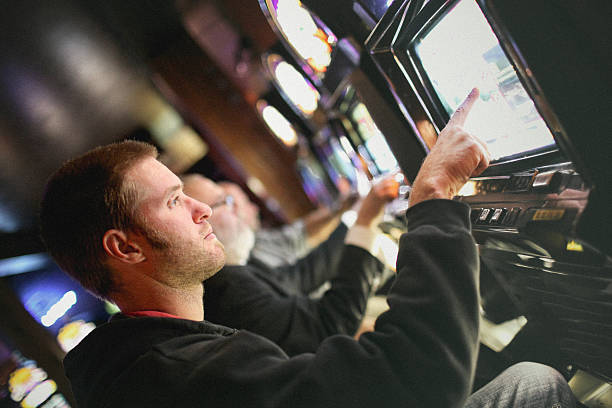
Furthermore, cognitive biases play a crucial role in maintaining the illusion of control. Gamblers often recall their winning experiences more vividly than their losses, leading to a skewed perception of their gambling skills. The gambler’s fallacy—believing that past events can influence future outcomes—also contributes to this mindset. By understanding how these cognitive biases shape decision-making, we can better grasp the psychology of gambling and its effects on individuals, which can be critical in developing strategies for more responsible gambling practices.
The Role of Social Interaction
Social dynamics significantly influence gambling behaviors and motivations. For many individuals, gambling is not just about winning money but also serves as a social activity that fosters connections with others. Whether it is playing alongside friends or engaging with fellow gamblers, the social aspect enhances the overall experience. This camaraderie creates a sense of belonging and shared excitement that bolsters the appeal of casino gambling, making it more than just a solitary pursuit.
Moreover, the social environment in casinos can often be intoxicating. Excitement, laughter, and energy fill the air, creating a communal experience that is hard to resist. Players may be influenced by the behaviors and emotions of those around them, leading to social contagion, where individuals mimic the gambling behaviors of their peers. This dynamic can lead to increased betting amounts and longer play sessions, as players feel compelled to match the enthusiasm of their companions. The social aspect can turn gambling into a more engaging and addictive experience.
In addition, casinos often capitalize on the social element by hosting events, tournaments, and games that encourage group participation. This strategy not only draws in more players but also fosters a sense of competition that can enhance the desire to gamble. Understanding the psychological drivers behind social interactions in gambling can provide insights into why certain individuals become heavily engaged, leading to potentially risky gambling behaviors. Recognizing the role of social factors can also inform interventions aimed at promoting responsible gambling.
Addiction and Compulsive Gambling
The darker side of gambling psychology is the potential for addiction and compulsive behavior. For some individuals, gambling can evolve from a recreational activity into a devastating addiction that affects various aspects of their lives. The cycle of winning and losing, combined with the emotional highs and lows, can lead to a compulsive need to gamble, often at the expense of personal relationships and financial stability. Understanding the psychological mechanisms behind this addiction is essential for developing effective interventions and support systems.

Compulsive gambling is often linked to underlying psychiatric conditions such as depression, anxiety, or substance abuse disorders. The escapism provided by gambling can serve as a temporary relief from these underlying issues, further entrenching individuals in their behavior. The thrill of risk and the potential for reward can mask feelings of inadequacy or distress, creating a vicious cycle of gambling to cope with emotional pain. Addressing these underlying psychological factors is crucial for recovery and rehabilitation, allowing individuals to find healthier coping mechanisms.
Moreover, recognizing the signs of gambling addiction is vital for intervention and support. Individuals may experience symptoms such as an increasing preoccupation with gambling, withdrawal symptoms when not gambling, or the need to gamble with increasing amounts of money to achieve the same excitement. Raising awareness about the psychological aspects of gambling addiction can foster a supportive environment for individuals seeking help and promote healthier gambling habits in society. By understanding the complexities of gambling addiction, we can better equip individuals and communities to tackle this issue.
Understanding Casino Gambling on Our Website
Our website is dedicated to exploring the multifaceted world of casino gambling and its psychological implications. We provide comprehensive resources that delve into the psychological aspects of gambling, offering insights into what drives individuals to play and how gambling can be both a thrilling pastime and a potential risk. By educating our visitors on these topics, we aim to promote responsible gambling practices and awareness of addiction signs, helping individuals navigate their gambling experiences with greater understanding.
In addition to educational materials, our website features interviews with psychologists and addiction specialists who share their expertise on gambling behavior. We believe that understanding the psychology of gambling is crucial for players, families, and communities. By raising awareness and providing information, our goal is to support those who may be struggling with compulsive gambling while also fostering a healthy understanding of the gaming experience. This holistic approach aims to empower individuals to make informed decisions.
We invite visitors to explore our extensive content that spans the latest research, personal stories, and expert opinions. Together, we can create a well-informed community that prioritizes mental health and responsible gambling. Whether you are a casual player or looking to understand more about the psychology behind casino gambling, our website serves as a valuable resource for everyone interested in this captivating field. We encourage open discussions and reflections on gambling behavior, aiming to foster a culture of awareness and support.